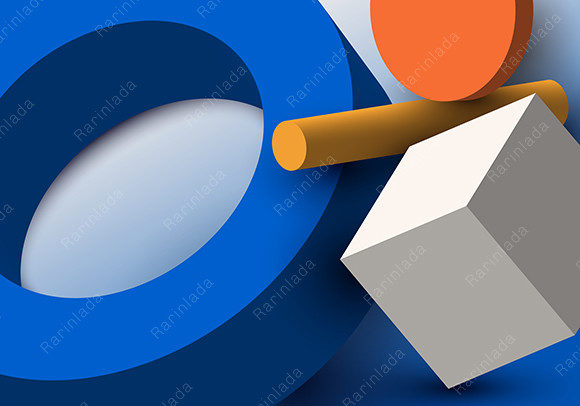
3D Realistic Geometric Decoration Design: A Modern Approach to Visual Creativity
In today’s digital world, visual design plays a crucial role in communication, branding, and aesthetics. One of the most captivating trends in graphic design is 3D realistic geometric decoration design. This style combines the precision of geometry with the depth and realism of three-dimensional visuals, resulting in striking, versatile, and professional artwork. Whether you're an aspiring designer or a seasoned professional, understanding this concept can enhance your creative toolkit significantly.
What Is 3D Realistic Geometric Decoration Design?
3D realistic geometric decoration design refers to the use of geometric shapes—such as triangles, circles, cubes, and polygons—to create visually appealing and lifelike decorative elements in a three-dimensional format. These designs are often used in backgrounds, logos, posters, and website headers to add structure, balance, and a modern feel.
The term “graphic minimal design” further defines this trend by emphasizing simplicity. In this context, minimalism means using clean lines, limited color palettes, and uncluttered layouts to highlight the geometric forms without overwhelming the viewer. The result is a sleek, elegant, and highly adaptable design that can be applied across various media and industries.
Why Use Vector Illustrations for 3D Geometric Designs?
When creating 3D realistic geometric decoration graphics, using vector illustrations is essential. Unlike raster images (like JPEGs or PNGs), vector files are composed of mathematical equations, which allow them to scale infinitely without losing quality. This makes them ideal for both digital and print applications.
A key benefit of working with 100% vector-based files is their fully editable nature. You can adjust colors, shapes, sizes, and even lighting effects with ease. Additionally, these files are typically compatible with major design software such as Adobe Illustrator and Corel Draw, making them accessible to a wide range of users.
Advantages of High-Resolution Vector Files
- Scalability: Whether you need a tiny icon or a massive billboard, vector files maintain clarity at any size.
- Flexibility: You can modify individual components of the design without affecting the overall layout.
- Print Quality: With a resolution of 300 dpi, these files ensure sharp, professional prints suitable for magazines, packaging, or promotional materials.
- No Watermarks: Clean, royalty-free designs allow for unrestricted usage in both personal and commercial projects.
- Multiple Formats: Receiving the design in formats like EPS Version 10 and JPG ensures compatibility and flexibility depending on the project requirements.
Applications of 3D Realistic Geometric Decoration Design
These designs are incredibly versatile and find use in many areas. Here are some common applications:
Web and App Design
Websites and mobile apps often use minimalist 3D geometric decorations to create a modern, clean interface. For example, a tech startup might incorporate abstract geometric patterns into its homepage to convey innovation and simplicity. Such designs not only look great but also help in organizing content effectively through visual hierarchy.
Branding and Logos
Many brands leverage geometric 3D graphics to craft memorable logos. The structured nature of geometric shapes offers a sense of professionalism and order. Consider a logo that uses overlapping triangles in a 3D format to symbolize strength and unity. These types of logos are easily scalable and can be adapted to different marketing materials with consistent quality.
Interior and Product Design
3D geometric designs aren’t just for digital screens. They’re frequently used in interior décor, product packaging, and furniture design. For instance, a fashion brand may feature a minimalist geometric pattern on a clothing label to stand out while maintaining a high-end appearance. Similarly, architectural firms might use such visuals to present innovative space concepts in a stylized yet realistic way.
Education and Presentations
Visual learners thrive when complex ideas are presented clearly. 3D geometric illustrations can simplify educational content by breaking down information into digestible visual components. Think of infographics explaining scientific theories or slides showcasing company growth—all enhanced with geometric visuals that guide the eye and emphasize key points.
Creating Your Own 3D Realistic Geometric Decorations
If you're interested in creating or customizing 3D realistic geometric decoration designs, having access to a fully editable vector file is invaluable. Let’s explore how to work with these files and bring your ideas to life.
Tools for Working with Vector Files
Vector illustration requires specialized software. Some of the most popular programs include:
- Adobe Illustrator: Industry standard for vector design, offering powerful tools for manipulating 3D elements and geometric structures.
- CorelDRAW: Another top-tier design tool with robust features for editing and rendering vector graphics.
- Inkscape: A free, open-source alternative that supports basic to advanced vector editing.
With an EPS Version 10 file, you’ll have full control over layers, shapes, and gradients. This level of detail allows for intricate customization, whether you want to change a single shape or rework the entire composition.
Design Tips for Beginners
If you're new to 3D geometric design, here are some tips to get started:
- Start Simple: Begin with basic shapes like cubes, spheres, and pyramids before moving on to more complex compositions.
- Experiment with Lighting: Use gradient fills and drop shadows to simulate light and depth, enhancing the 3D effect.
- Stick to a Color Palette: Minimalist designs rely on restraint. Choose two to four complementary colors to keep your design cohesive.
- Layer Thoughtfully: Organize your design using layers to manage elements efficiently and make edits easier.
- Use Grids and Guides: Precision is key in geometric design. Utilize alignment tools to ensure symmetry and consistency.
How 3D Geometric Design Fits Into Modern Trends
Modern design trends increasingly favor minimalism, flat design, and bold, abstract visuals. 3D realistic geometric decoration sits perfectly within this evolving landscape by offering a middle ground between traditional geometric art and photorealistic imagery.
This design style is especially popular in the following industries:
- Technology: Used to represent data, UI elements, and futuristic themes.
- Fashion: Applied in prints, labels, and promotional materials to reflect modernity and sophistication.
- Architecture: Helps visualize spatial concepts and structural designs in an artistic manner.
- Marketing: Enhances branding efforts with unique, eye-catching visuals that align with a company's identity.
Moreover, the rise of remote work and digital communication has made high-quality, scalable visuals more important than ever. A well-crafted 3D geometric background can elevate the look of a presentation, social media post, or even a virtual office space.
Common Misconceptions About 3D Geometric Design
Despite its popularity, there are some misunderstandings about what 3D geometric design entails. Let’s clarify a few:
It’s Only for Digital Use
While it’s true that vector-based 3D designs shine online, they are equally valuable in print. The 300 dpi resolution ensures crisp output for anything from business cards to large banners.
It Requires Advanced Skills
Although mastering 3D design can take time, starting with pre-made 100% vector files makes it accessible to beginners. With the right tools and templates, you can quickly learn how to tweak and customize existing designs to suit your needs.
Minimalism Means Lack of Detail
Minimalist doesn’t mean boring. 3D realistic geometric decoration uses smart layering, subtle textures, and precise angles to add depth and complexity without overwhelming the viewer. It’s all about intentionality and balance.
Real-World Examples of 3D Geometric Decoration
To better understand the impact of 3D geometric decoration design, let’s look at a few real-world examples:
- Corporate Branding: A financial firm might use a set of interlocking geometric shapes in a monochrome scheme to communicate stability and innovation.
- Event Posters: Music festivals or art exhibitions often feature bold geometric 3D patterns to grab attention and set a thematic tone.
- Product Packaging: A skincare brand could integrate smooth, glowing geometric elements into its bottle design to suggest purity and modern science.
- UI/UX Elements: Web developers use 3D geometric icons and buttons to improve user experience with intuitive, aesthetically pleasing navigation.
These examples demonstrate how the same design principles can be applied across different fields, each benefiting from the clarity and visual appeal of realistic geometric graphics.
Choosing the Right File Format for Your Project
When downloading a 3D realistic geometric decoration design, you'll often receive it in multiple formats. Here’s why each one matters:
EPS Version 10
Encapsulated PostScript (.eps) is a vector format widely used in professional design. EPS Version 10 ensures compatibility with the latest versions of Adobe Illustrator and similar software. Its layered structure allows for detailed editing, making it perfect for designers who want full control over every element.
JPG Format
Joint Photographic Experts Group (.jpg) is a raster image format ideal for web use and quick sharing. If you don’t need to edit the design, a high-resolution JPG file provides excellent quality for displays, presentations, or print-on-demand services.
Having access to both formats gives you the freedom to choose based on your specific needs—whether you're designing for print, web, or client presentations.
Conclusion: Embrace the Future of Design with 3D Geometric Graphics
3D realistic geometric decoration design represents a powerful fusion of form and function in the world of visual creativity. By leveraging the scalability and editability of vector illustrations, designers can produce stunning, high-quality artwork that adapts seamlessly to any platform or medium.
Whether you're aiming to refresh your portfolio, create compelling branding assets, or simply explore a new design trend, 3D geometric minimal design offers endless possibilities. As technology continues to evolve, so too will the ways we apply and interact with these designs. Now is the perfect time to dive in and discover how this approach can elevate your work and inspire your audience.
Remember, with a 100% vector file, no watermark, and high-resolution support, you’re equipped to bring your vision to life with confidence and creativity.