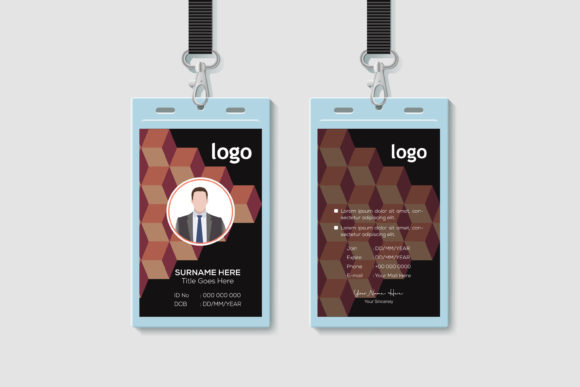
3D Geometric ID Card Design: A Sleek, Modern Approach for Professional Branding
In the fast-paced world of business and branding, having a strong visual identity is essential. One key component of this identity is the corporate ID card. While traditional designs often rely on flat layouts and minimal imagery, a 3D geometric ID card design brings a fresh perspective that stands out without overwhelming the viewer. This modern approach uses clean lines, shapes, and subtle depth to create an elegant yet impactful representation of your brand or organization.
What Is 3D Geometric ID Card Design?
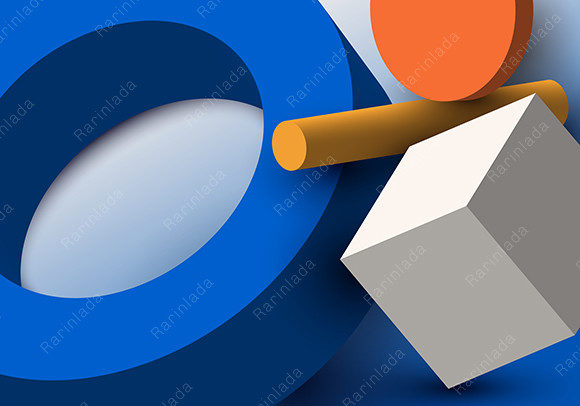
A 3D geometric ID card design utilizes simple geometric shapes such as cubes, pyramids, spheres, and polygons to add dimension and structure to a typically flat layout. These elements are not just decorative; they help guide the eye toward important information like name, title, photo, and contact details. The result is a visually balanced and professional ID card that reflects innovation and clarity.
This type of design fits well into a broader branding process. It can be used in conjunction with website design, logo development, and marketing materials to maintain a cohesive look across all touchpoints. Because it's minimalist by nature, it allows your brand message to take center stage without unnecessary distractions.
When to Use a 3D Geometric Corporate ID Card Template
Integrating a 3D geometric ID card template into your workflow can be beneficial at various stages:
- Before Project Kickoff: Use the template during initial branding meetings to establish a visual direction. Its simplicity makes it easy to adjust based on feedback before committing to final print or digital assets.
- During Development: As you finalize your brand colors, fonts, and logos, the 3D geometric template helps you visualize how these elements will work together on a physical ID card.
- After Finalization: Once your brand guidelines are set, the template becomes a reusable tool for creating new employee cards, visitor passes, or client credentials quickly and consistently.
Because it supports Adobe Illustrator AI and EPS files, you can use it in both digital and print workflows. The standard dimensions ensure compatibility with most printing services, while the clean layers allow for easy editing even if you're not a seasoned designer.
How It Complements Other Tools and Resources
The 3D geometric ID card design works seamlessly with other design tools and resources. For instance:
- Adobe Illustrator Integration: The .ai and .eps files included in the template make it compatible with Adobe Illustrator, allowing for precise customization. You can easily change colors, fonts, and shapes to align with your brand identity.
- Font Flexibility: Since the design uses free fonts, you have the freedom to switch them out or pair them with your brand’s custom typography. This ensures consistency across all branded materials.
- Layer Organization: The organized layer structure simplifies collaboration between designers and stakeholders. Each element—photo placeholder, text fields, background shapes—is clearly labeled, making edits straightforward and reducing errors.
You can also integrate this design into larger projects like event badges, membership cards, or access passes. Its modular nature means you can adapt it for different use cases without starting from scratch each time.
Practical Tips for Customizing and Using the Template
To get the most out of a vertical double-sided ID card template, follow these practical steps:
- Define Your Brand Colors: Before customizing the design, have your brand color palette ready. Changing the background or accent colors in Adobe Illustrator will instantly refresh the card’s appearance.
- Select Appropriate Fonts: Even though the font is free, consider whether it aligns with your brand voice. Replace it with a similar style if needed, ensuring readability remains high.
- Use High-Resolution Photos: The photo placeholder is designed for clarity. Always upload images in JPEG or PNG format with at least 300 DPI to avoid pixelation.
- Maintain Consistency: If multiple people are using the template, create a shared document outlining where and how changes should be made. This prevents inconsistencies in the final product.
Once customized, export the design in formats suitable for your needs—such as PDF for printing or PNG for digital distribution. The template’s clean aesthetic ensures it looks great both in hand and on screen.
Workflow Examples and Use Cases
Here are some real-world scenarios where a 3D geometric ID card design can enhance your business operations:
1. Onboarding New Employees
During the hiring process, HR departments need to generate ID cards quickly and efficiently. With a pre-built template, they can input new hires’ data, update photos, and print within minutes. The geometric design adds a touch of professionalism, reinforcing the company’s image from day one.
2. Event Management
Event planners often require custom badges for attendees, speakers, or staff. The minimalist style of the template avoids clutter, making it ideal for events where clear identification is crucial. The flat design also reduces production costs when printed in bulk.
3. Membership Organizations
Clubs, associations, or co-working spaces can use the ID card template to issue member credentials. The geometric layout provides a modern feel that appeals to younger audiences while maintaining a level of sophistication that older demographics appreciate.
4. Freelancers and Small Business Owners
For entrepreneurs and freelancers who value aesthetics but may not have extensive design skills, the template offers a stylish solution that doesn’t require advanced training. Simply plug in your personal details and tweak the colors to match your logo or website theme.
Design Considerations for Long-Term Use
Creating an ID card isn't just about immediate use—it's about long-term brand perception and efficiency. Here are key considerations when using a minimalist corporate ID card template:
- Preparation: Gather all necessary data and assets (photos, names, titles) before opening the template. This minimizes back-and-forth and keeps the editing process smooth.
- Compatibility: Ensure that any file exports are compatible with your printing vendor. Many offer online proofing systems that accept PDFs, so exporting in that format is usually safest.
- Usability: Test the design in real-world conditions. Will it be scanned? Should it include a QR code? Can the text be read from a distance? These questions inform how much detail and contrast you need.
- Organization: Keep versions of your template in a centralized folder. Label each version with dates or project names to track changes over time.
- Efficiency: Use smart objects or symbols in Adobe Illustrator to streamline repetitive tasks. For example, you can create a symbol for the photo frame and reuse it across multiple cards.
- Consistency: Maintain the same design across all cards to build a unified brand presence. Avoid adding too many variations unless they serve a specific purpose.
- Quality Control: Review the final output before printing. Check for typos, alignment issues, and color accuracy. A small mistake can lead to a large batch needing rework.
By planning ahead and keeping these factors in mind, you’ll ensure that your ID cards remain effective and visually aligned with your brand for years to come.
Why Choose a Minimalist and Modern Design?
Minimalism isn’t just a trend—it's a design philosophy that prioritizes clarity and function. In the case of an ID card, less is often more. A 3D geometric ID card design avoids busy backgrounds and excessive graphics, focusing instead on the essentials. This makes it easier to read, quicker to produce, and more adaptable to future needs.
Modern businesses, especially those targeting tech-savvy or design-conscious clients, benefit greatly from this aesthetic. The sleek look communicates competence and forward-thinking values, which can improve trust and recognition. Moreover, the template’s ability to stand out in a sea of generic cards gives your business an edge in first impressions.
Getting Started with the Template
Using the corporate ID card template is straightforward. Here’s a quick overview of the implementation process:
- Download the Files: Access the .ai and .eps files from your source. Make sure you’re using a compatible version of Adobe Illustrator.
- Open the File: Launch Adobe Illustrator and open the template. Take note of the organized layers to understand where to place your content.
- Edit Text and Colors: Replace placeholder text with actual names, titles, and other relevant info. Adjust the color scheme to reflect your brand’s primary and secondary colors.
- Insert Photo: Upload a high-resolution headshot into the designated photo area. Resize as needed to fit the layout without distorting the image.
- Export for Use: After finalizing the design, export it as a PDF for printing or as a PNG for digital sharing. Save the original .ai file for future edits.
With this template, you eliminate the need to start from scratch every time. Instead, you focus on refining the design and tailoring it to individual users, saving hours of work and ensuring uniformity across your team’s credentials.
Long-Term Benefits of a 3D Geometric ID Card Design
Beyond the immediate convenience, adopting a 3D geometric ID card design has lasting benefits:
- Time Savings: Reuse the template for every new card, significantly cutting down on design time.
- Brand Reinforcement: A consistent, modern design strengthens your brand identity and improves recognition among clients and partners.
- Professional Appearance: The clean, structured layout conveys professionalism and attention to detail.
- Adaptability: Easily update the design to reflect seasonal promotions, new logos, or evolving brand guidelines.
- Cost Efficiency: Reduce design and printing costs by streamlining the creation process and avoiding last-minute revisions.
These advantages make the template not only a useful asset today but also a valuable part of your ongoing business strategy.
Final Thoughts on Integrating the Design Into Your Workflow
A 3D geometric ID card design is more than just a visual choice—it’s a strategic one. By choosing a clean, modern, and customizable template, you invest in a tool that supports efficiency, consistency, and professionalism. Whether you're managing a growing team or preparing for a high-profile event, this template helps you deliver a polished impression without the hassle of complex design processes.
Its compatibility with Adobe Illustrator and support for editable vector files mean you can tailor it to meet your exact specifications. And since it uses free fonts, there are no licensing concerns holding you back from scaling your usage. Incorporate this template into your design toolkit and experience the difference it makes in elevating your business’s visual communication.