Exploring the Vibrant World of Fish Design Colorful Art 3D
Fish Design Colorful Art 3D is a captivating digital art form that blends creativity, color, and dimensionality to produce visually stunning representations of fish in three-dimensional space. This artistic style has gained popularity among designers, hobbyists, and businesses alike for its ability to bring underwater life into vivid, lifelike detail. Whether you're looking to enhance your creative projects or simply enjoy the beauty of marine-inspired visuals, understanding this unique design approach can open up new possibilities.
What Is Fish Design Colorful Art 3D?
Fish Design Colorful Art 3D refers to the use of 3D modeling and rendering techniques to create colorful, dynamic depictions of fish. These designs often feature intricate textures, realistic lighting effects, and vibrant color palettes inspired by real-world species or imaginative interpretations. The result is an immersive visual experience that can be used in various formats such as digital illustrations, animations, prints, or interactive web content.
This type of art combines elements from graphic design, animation, and digital illustration. It’s not just about making fish look good—it's about creating a sense of movement, depth, and realism that draws viewers in. Artists who specialize in Fish Design Colorful Art 3D often work with software like Blender, Maya, or Cinema 4D to sculpt and animate their creations.
The Purpose Behind the Design
At its core, Fish Design Colorful Art 3D serves both aesthetic and functional purposes. For general consumers, it offers an engaging way to incorporate nature-inspired visuals into home décor, fashion, or personal hobbies. Professionals, including illustrators, animators, and game developers, use it to add visual appeal and authenticity to their projects.
- Decorative Use: Fish-themed 3D art is popular in interior design, especially for spaces like aquariums, spas, and restaurants aiming to evoke a tranquil or exotic atmosphere.
- Commercial Applications: Businesses in the fishing industry, marine conservation, or eco-friendly sectors may use this art in branding, packaging, or promotional materials to connect with their audience on an emotional level.
- Creative Expression: Independent artists and creators leverage Fish Design Colorful Art 3D to explore themes of biodiversity, underwater exploration, and fantasy worlds.
Key Features and Characteristics
Fish Design Colorful Art 3D stands out due to several defining features:
- Vibrant Colors: Inspired by the natural hues of tropical fish or designed with surreal palettes, these artworks are rich in color and contrast.
- Realistic Textures: Advanced rendering techniques allow for detailed scales, fins, and skin patterns that mimic real-life anatomy.
- Dynamic Lighting: Proper use of light and shadow enhances depth and realism, giving each piece a lifelike glow.
- Three-Dimensional Depth: Unlike flat 2D images, 3D art allows for multiple viewing angles, making it ideal for virtual environments or physical displays.
- Customizability: Artists can easily modify colors, shapes, and environments to suit specific needs or preferences.
Who Can Benefit from Fish Design Colorful Art 3D?
While Fish Design Colorful Art 3D might seem niche at first glance, its versatility makes it accessible and valuable across many industries and hobbies. Here’s a closer look at some key beneficiaries:
1. Interior Designers and Decor Enthusiasts
Interior decorators frequently use Fish Design Colorful Art 3D to create eye-catching focal points in rooms. From wall murals to printed textiles, these designs can transform any space into a serene underwater sanctuary. Homeowners interested in biophilic design will find this art particularly appealing for bedrooms, living rooms, or even office spaces.
2. Fashion and Textile Designers
Textile artists and fashion designers have embraced Fish Design Colorful Art 3D to craft unique apparel, accessories, and fabrics. Whether it's swimwear with bold aquatic motifs or scarves with abstract fish patterns, the possibilities are endless. The adaptability of 3D models ensures seamless integration into fabric printing and embroidery processes.
3. Game Developers and Animators
In the gaming and animation industries, Fish Design Colorful Art 3D plays a crucial role in world-building. Underwater scenes in video games or animated films benefit greatly from the realism and flexibility offered by 3D modeling. Developers can tweak models for different environments or character interactions, enhancing gameplay or storytelling.
4. Educators and Science Communicators
Teachers and science communicators often use Fish Design Colorful Art 3D to illustrate marine biology concepts. The visual richness helps students understand complex ideas about ecosystems, evolution, and habitat preservation. Interactive 3D models can also be embedded into educational websites or mobile apps for an engaging learning experience.
5. Business Owners and Marketers
For companies targeting eco-conscious consumers or those in the seafood industry, Fish Design Colorful Art 3D can serve as a powerful marketing tool. High-quality visuals help build brand identity and communicate values effectively. Restaurants, aquariums, and eco-tourism ventures often use these designs in logos, menus, and advertising campaigns.
Strengths and Practical Considerations
Like any digital art form, Fish Design Colorful Art 3D has its strengths and limitations. Understanding these can help users determine whether it fits their project goals.
Advantages of Using Fish Design Colorful Art 3D
- High Visual Impact: The combination of color and dimension creates a strong emotional response, making it ideal for attention-grabbing designs.
- Scalable for Different Media: These designs can be adapted for print, digital screens, or even augmented reality applications.
- Adaptable to Trends: With changing design trends, 3D fish art can be updated quickly without losing quality.
- Engages Diverse Audiences: Its playful yet sophisticated nature appeals to both children and adults, making it versatile for marketing and entertainment.
Potential Limitations and Considerations
- Technical Skill Requirements: Creating high-quality Fish Design Colorful Art 3D demands knowledge of 3D software and modeling principles.
- Resource Intensive: Rendering detailed 3D artwork requires significant computing power and time, which may not be feasible for all users.
- Cost Factors: Professional-grade tools and services can be expensive, though free or affordable alternatives exist for beginners.
- Design Consistency: Maintaining a cohesive style across multiple pieces can be challenging, especially when working with diverse species or environments.
Real-World Applications of Fish Design Colorful Art 3D
To better grasp how Fish Design Colorful Art 3D is used in practice, let’s explore some real-world scenarios:
Underwater-Themed Branding
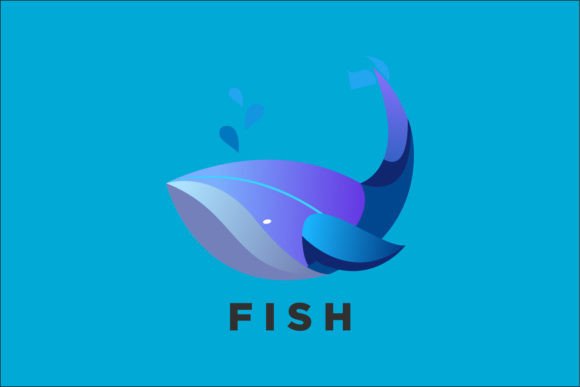
A sustainable seafood company might use Fish Design Colorful Art 3D to create a logo featuring a stylized salmon swimming through a coral reef. The 3D element adds a professional touch while reinforcing the brand’s connection to marine life.
Interactive Museum Exhibits
Museums and science centers often deploy Fish Design Colorful Art 3D in interactive exhibits. Visitors can view rotating 3D fish models on touchscreens or through VR headsets, providing an immersive educational experience.
Printed Merchandise and Apparel
Merchandise such as t-shirts, mugs, or posters featuring Fish Design Colorful Art 3D are popular among fans of marine life. These items often become collectibles, especially if they showcase rare or mythical fish species.
Video Games and Virtual Reality
Games like *Subnautica* or *The Legend of Zelda: Breath of the Wild* include beautifully rendered fish using similar 3D techniques. These designs contribute to the overall immersion and believability of the game environment.
Home and Office Décor
Many people choose Fish Design Colorful Art 3D for wall art, sculptures, or LED displays. These pieces bring a sense of calm and creativity to their surroundings, blending art with environmental inspiration.
How to Evaluate Suitability for Your Needs
If you’re considering incorporating Fish Design Colorful Art 3D into your project, here are some steps to evaluate its suitability:
- Define Your Purpose: Are you using it for decoration, education, or commercial branding? Clarifying your objective will guide your design choices.
- Assess Technical Resources: Do you have access to 3D modeling software and hardware capable of rendering high-resolution models? If not, consider hiring a professional artist or using pre-made assets.
- Identify Target Audience: Will your audience appreciate the artistic value of 3D fish designs? Consider age, interests, and cultural context before finalizing your approach.
- Review Budget and Timeline: Custom 3D art can be time-consuming and costly. Weigh the benefits against available resources to ensure feasibility.
- Explore Licensing Options: If you plan to use existing Fish Design Colorful Art 3D models, check licensing agreements to avoid copyright issues.
Getting Started with Fish Design Colorful Art 3D
Whether you're a beginner or an experienced designer, there are several ways to start exploring Fish Design Colorful Art 3D:
- Learn 3D Modeling Software: Programs like Blender offer free, user-friendly tools to begin experimenting with 3D fish designs.
- Join Online Communities: Platforms such as DeviantArt, ArtStation, or Reddit host active communities where artists share tips, tutorials, and feedback.
- Use Pre-Made Assets: Websites like TurboSquid or Sketchfab provide libraries of 3D fish models ready for customization or direct use.
- Collaborate with Marine Biologists: Working with experts can add scientific accuracy to your Fish Design Colorful Art 3D, especially if your goal is educational or conservation-based.
- Test in Different Formats: Before finalizing a design, test it in print, digital, or AR environments to ensure it works well across platforms.
Why Choose Fish Design Colorful Art 3D Over Other Styles?
Compared to traditional 2D fish illustrations or photography, Fish Design Colorful Art 3D provides unmatched flexibility and visual impact. While 2D art is static and limited to one perspective, 3D art allows for full rotation and interaction. Additionally, unlike photographs, 3D models aren’t constrained by real-world conditions—artists can create impossible or fantastical underwater scenes with ease.
Moreover, Fish Design Colorful Art 3D supports scalability without loss of quality. You can zoom in on a fish’s gills or scale down to fit a small icon, knowing the details remain intact. This makes it a preferred choice for designers needing consistent visuals across varying media sizes.
Future Trends and Innovations
As technology advances, so does the potential of Fish Design Colorful Art 3D. Emerging trends suggest greater integration with AI-driven design tools, enabling faster creation of realistic fish models. Augmented reality (AR) is also opening new doors, allowing users to place 3D fish in real-world environments via smartphones or tablets.
We can also expect more cross-disciplinary collaborations, such as between marine scientists and artists to create accurate, educational models. Furthermore, sustainability-focused initiatives may encourage the use of this art in raising awareness about ocean conservation and endangered species.
Conclusion
Fish Design Colorful Art 3D is more than just a trend—it’s a versatile and expressive medium with broad applications. Whether you're a designer, educator, marketer, or simply someone who appreciates beautiful visuals, this art form offers something unique and valuable. By understanding its purpose, features, and practical considerations, you can make informed decisions about how best to use it in your own work or lifestyle.
From digital branding to immersive virtual experiences, the possibilities with Fish Design Colorful Art 3D are expanding rapidly. As you explore this vibrant field, keep your goals and audience in mind to ensure your designs resonate and deliver impact.