3D Rendered Carrot for Design Project: A Versatile Resource for Creative Professionals
In the world of digital design, finding high-quality, realistic assets is essential to creating visually compelling projects. One such resource that has gained popularity among designers, illustrators, and marketers is the 3D rendered carrot. Whether you're working on a food-related campaign, an educational infographic about nutrition, or a vibrant illustration for a children's book, a 3D rendered carrot can add depth, realism, and visual appeal to your work. This article explores what a 3D rendered carrot is, its key features, and how it fits into various design contexts.
What Is a 3D Rendered Carrot?
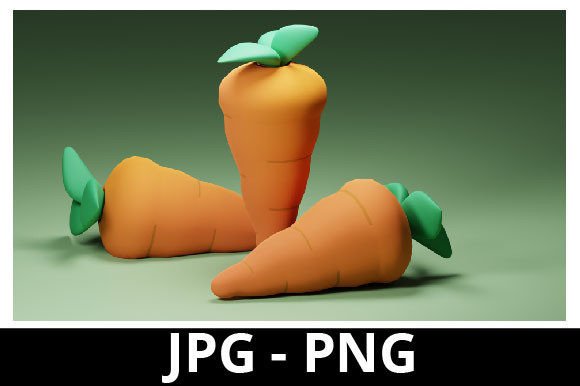
A 3D rendered carrot is a digitally created image of a carrot using three-dimensional modeling techniques. Unlike flat illustrations or stock photos, 3D rendering allows for intricate details such as texture, lighting, shadows, and color gradients to be added in a controlled environment. The result is a highly realistic and customizable visual asset that can be used across multiple platforms and industries.
The ZIP folder containing a 3D rendered carrot typically includes formats like JPG and PNG, making it compatible with a wide range of design software and web development tools. These files are often optimized for clarity and file size, ensuring they can be easily integrated into both print and digital media without compromising quality.
Key Features of a 3D Rendered Carrot Asset
- Realistic Appearance: The carrot is designed to look as close to a real-life specimen as possible, capturing every detail from the root to the leafy greens.
- Colorful and Vibrant: Available in a variety of hues, including classic orange, purple, yellow, and white carrots, these assets reflect the natural diversity found in agriculture.
- Isolated Background: Many 3D rendered carrot images come on transparent or clean backgrounds, allowing for seamless integration into any project layout.
- High Resolution: Both JPG and PNG formats offer high-resolution outputs, suitable for professional use in advertising, packaging, and editorial content.
- Customizable Lighting and Angles: Since the asset is based on a 3D model, it can be rotated, scaled, and lit from different angles, giving designers more creative freedom.
When to Use a 3D Rendered Carrot
The 3D rendered carrot is ideal for several scenarios where realism and flexibility are required. Here are some common use cases:
- Food Industry Marketing: Brands promoting healthy snacks, organic produce, or plant-based diets often use 3D rendered vegetables to showcase their products in a fresh and appealing way.
- Nutrition and Diet Education: In infographics, posters, or websites focused on health topics like vitamins, fiber, or vegetarian eating, a detailed 3D carrot can help communicate nutritional value effectively.
- Farm and Agriculture Content: For projects related to farming, harvests, or sustainable agriculture, a 3D carrot can symbolize freshness and growth while fitting into broader scenes of farms or gardens.
- Children’s Books and Cartoons: The sweet, colorful nature of a 3D carrot makes it perfect for animated characters or storybook visuals, especially when combined with other elements like rabbits or green fields.
- E-commerce Product Displays: Online stores selling fruits and vegetables may use 3D rendered carrots to highlight product variety, especially when real photography isn’t feasible due to cost or logistics.
Strengths of Using 3D Rendered Carrots
There are several advantages to incorporating a 3D rendered carrot into your design workflow:
- Consistency: A single 3D model can be adjusted to match the same style and lighting across multiple images or animations, ensuring brand consistency.
- Time Efficiency: Instead of setting up a photo shoot or sourcing high-quality stock images, designers can quickly access and modify a 3D render to suit their needs.
- Scalability: The carrot can be resized without losing detail, which is crucial for responsive web design or multi-format marketing campaigns.
- Control Over Details: From the shape of the root to the sheen of the skin, designers have full control over the appearance of the carrot, enabling them to tailor it precisely to their project’s aesthetic.
- Versatility Across Formats: With support for both JPG and PNG, the carrot can be adapted for print materials, website banners, social media posts, and even augmented reality experiences.
Comparing 3D Rendered Carrots to Other Visual Options
While there are many ways to represent a carrot visually, each option comes with its own set of tradeoffs. Let’s compare the 3D rendered carrot with traditional alternatives:
Stock Photography
Stock photos of carrots are abundant and can provide a realistic feel. However, they may not always align with the specific design vision. For instance, a designer might need a carrot at a certain angle or under particular lighting conditions, which could require purchasing multiple images or editing them extensively. A 3D rendered carrot offers greater flexibility and eliminates the need for post-production adjustments.
Flat Vector Illustrations
Vector-based carrot illustrations are excellent for logos, icons, or minimalist designs. They are scalable and editable but lack the depth and realism provided by 3D models. If your goal is to emphasize the natural or agricultural aspects of the carrot—such as showing its leaf, soil, or farm surroundings—a 3D render is likely a better fit.
Hand-Drawn Artwork
Hand-drawn carrots bring a unique artistic flair and can be tailored to specific styles, such as cartoonish or watercolor. However, this approach is time-consuming and may not deliver the precise realism needed for commercial or scientific applications. A 3D rendered carrot can serve as a base for artists who want to add stylized elements later, offering a balance between speed and creativity.
Best-Fit Situations for a 3D Rendered Carrot
Here are some situations where a 3D rendered carrot shines compared to other visual options:
- You need a realistic vegetable for a health or wellness campaign.
- Your project requires multiple views or angles of the carrot, such as front, side, or top-down shots.
- You’re designing for organic or natural themes, and you want to emphasize the freshness and health benefits of the carrot.
- You’re working within a vegetable-centric composition and need consistent lighting and shading across all elements.
- You’re looking for an isolated object that can be layered into complex scenes or used as a standalone graphic.
Potential Limitations and Considerations
Despite its versatility, a 3D rendered carrot is not always the best choice. Here are some limitations and considerations to keep in mind:
- Learning Curve: While pre-rendered carrot images are easy to use, working directly with the 3D model may require knowledge of 3D software such as Blender or Maya.
- File Size: High-resolution renders can sometimes be large, affecting load times for websites or mobile apps if not properly optimized.
- Creative Style Mismatch: If your design leans heavily on hand-drawn aesthetics or abstract representations, a 3D render might feel out of place unless customized further.
- Cost: Some premium 3D render packages may come with a price tag higher than standard stock images, depending on the source and level of detail included.
How to Choose the Right Format and Style
Selecting the right type of 3D rendered carrot depends on the intended application and the overall tone of the design. For example:
- JPG vs. PNG: Use JPG for background-heavy compositions where transparency isn’t necessary. Opt for PNG when you need a clear separation of the carrot from its background, especially for overlaying on other images or textures.
- Realistic vs. Stylized: Realistic renders are best for educational or commercial uses, while stylized versions (e.g., cartoon-like) may suit branding, entertainment, or casual content.
- Color Customization: If your design calls for a specific shade of orange or another uncommon color, check whether the 3D model allows for color adjustments before rendering.
- Scene Integration: Consider whether the carrot will stand alone or be part of a larger scene. A 3D model can be embedded into environments such as farms, kitchens, or markets, enhancing the narrative of your project.
Design Examples Featuring 3D Rendered Carrots
Let’s take a look at a few practical examples where a 3D rendered carrot could enhance your design:
- Healthy Eating Infographic: A realistic carrot with visible vitamin content labels can illustrate the nutritional benefits of adding more vegetables to your diet.
- Organic Farm Packaging: A bright, natural-looking carrot placed against a green leaf backdrop reinforces the message of freshness and sustainability.
- Restaurant Menu Visuals: A 3D carrot can be used in appetizer or salad presentations to entice customers with a vivid representation of the ingredients.
- Interactive Web Banners: Animated carrots rotating slowly on screen can engage users and convey a sense of movement and vitality.
- Children’s Educational Materials: A soft, colorful carrot character can teach kids about the importance of vegetables in a fun and engaging way.
Alternatives When 3D Rendering Isn't Ideal
If a 3D rendered carrot doesn’t align with your project goals, consider these alternatives:
- Photorealistic Stock Images: These are great for quick use in print or web projects where no modifications are needed.
- AI-Generated Imagery: Tools like MidJourney or DALL·E can create carrot visuals rapidly, though the results may vary in quality and realism.
- SVG or AI Files: Ideal for logos or simple graphics, these vector-based formats allow for easy scaling and styling.
- Watercolor or Digital Paintings: These are suited for artistic or thematic projects that prioritize visual style over photographic accuracy.
Each alternative has its strengths and weaknesses. The decision ultimately hinges on the specific needs of your design project, such as budget, timeline, technical skills, and desired visual impact.
Conclusion
The 3D rendered carrot is a powerful tool for designers aiming to create lifelike, adaptable visuals centered around food, health, and agriculture. Its ability to blend realism with customization makes it particularly valuable in professional settings where precision and flexibility matter. However, it’s important to weigh the format, complexity, and purpose of your project to determine if this asset is the most appropriate choice. By understanding the strengths and limitations of a 3D rendered carrot, you can make a more informed decision and elevate your design work accordingly.