3D Layered Binoculars SVG Design Camp: A Smart Guide for Creators and Crafters
Are you diving into the world of digital design or expanding your crafting toolkit? If so, the 3D Layered Binoculars SVG Design Camp could be a game-changer. This unique set of vector files offers a creative way to bring dimension and detail to your projects—whether you're working on signage, home decor, promotional materials, or custom gifts. But with any new resource, there are nuances that can trip up even experienced creators if they're not paying attention.
What Is 3D Layered Binoculars SVG Design Camp?
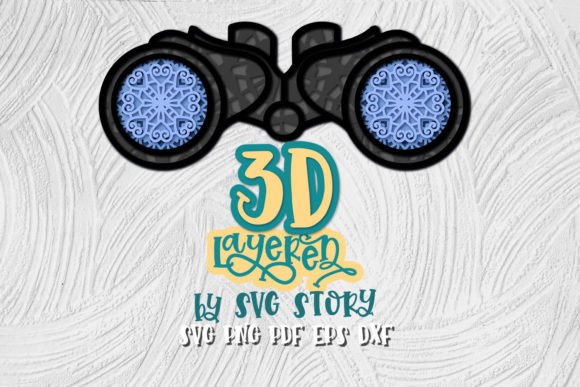
The 3D Layered Binoculars SVG Design Camp is a curated collection of vector-based artwork designed specifically for use with cutting machines. The design features an original, hand-drawn binocular motif enhanced with multiple layers to simulate depth and realism. These files come in various formats including SVG, EPS, DXF, PNG, and PDF, all compressed into a zip archive for easy download and use.
This type of layered design is especially useful for those looking to create visually striking pieces that stand out. Whether you're making a Halloween decoration, a travel-themed sign, or a personalized gift, the 3D effect adds a professional touch that’s hard to achieve with flat designs alone.
Common Mistakes When Choosing and Using the Design
While the 3D Layered Binoculars SVG Design Camp is versatile and high-quality, some users make avoidable mistakes when selecting, downloading, or applying it. Here are a few pitfalls to watch out for:
1. Ignoring File Format Requirements
One common oversight is not checking which file format their cutting machine supports. Although this design includes SVG, EPS, DXF, PNG, and PDF files, not all devices work equally well with each. For example, while Cricut machines typically prefer SVG and PNG, laser cutters might rely more heavily on DXF or EPS.
Better approach: Before purchasing, confirm the supported file types of your specific cutting machine. Visit the manufacturer's website or consult user forums for accurate information. This ensures you get the most usable version of the design without unnecessary hassle.
2. Underestimating the Importance of Layers
Layered SVG files require careful handling. Some beginners assume they can just load the main SVG and ignore the other layers, but doing so can result in a flat, unimpressive outcome. The beauty of this design lies in how the layers interact to form a realistic 3D appearance.
Example: Imagine creating a wall art piece using only one layer of the binoculars. It would look like a simple outline rather than the intricate, dimensional piece it was meant to be. By utilizing all provided layers and adjusting spacing during the cutting process, you unlock the full visual impact.
Solution: Always open the design in your preferred editing software (like Adobe Illustrator or Inkscape) to explore the layers before sending it to your cutting machine. Adjust layer positions slightly to allow for material thickness and enhance the 3D illusion.
3. Skipping Software Compatibility Checks
Many crafters rush to purchase digital files without verifying whether their software can handle them. Even if your machine supports SVG, not all software does. Some programs may flatten layers or misinterpret elements, leading to errors in cutting.
Tip: Check the compatibility of your design software with layered SVGs. If you’re unsure, reach out to the seller—they often provide guidance or alternative formats. For instance, if you’re using Silhouette Studio, it handles layered SVGs exceptionally well, but another program might need adjustments.
4. Overlooking Material Thickness and Precision Settings
Creating a 3D design means accounting for how each layer will fit together. Failing to adjust for material thickness or blade settings can lead to misaligned cuts or incomplete details. This is especially true for thinner materials where precision matters more.
Real-world scenario: A crafter tried using the binoculars design on felt without adjusting the blade pressure. The result was jagged edges and a weak 3D effect because the first layer didn’t cut cleanly enough to support the second.
How to fix: Use test cuts on scrap material before finalizing your project. Make sure to adjust blade depth and speed based on the material you're using. Refer to your machine’s manual or online guides for recommended settings per material type.
What to Consider Before Purchasing the Design
Before you click "buy," take a moment to consider these important factors. They’ll help you ensure the 3D Layered Binoculars SVG Design Camp is the right choice for your needs and workflow.
- Project purpose: Are you planning to use the design for personal crafts, commercial products, or educational materials? Make sure the licensing terms align with your intended use.
- Design complexity: This isn’t a basic shape—it’s detailed and layered. If you're new to multi-layered SVGs, consider starting with simpler projects to build confidence.
- Software capability: As mentioned earlier, your editing software must support layered vectors. If yours doesn’t, you might end up spending extra time trying to rework the design manually.
- Machine calibration: Ensure your cutting machine is properly calibrated. Misaligned blades or incorrect settings can ruin the precision needed for layered effects.
Maximizing Usability and Presentation
To truly leverage the potential of the 3D Layered Binoculars SVG Design Camp, you need to go beyond just loading the file. Think about how the design will be presented and used in real life.
Optimize Layer Spacing
Proper spacing between layers is essential for a clean 3D look. Too much space and the illusion breaks; too little and the pieces don’t stack neatly. A good rule of thumb is to leave at least 0.5 mm of space depending on the material thickness. This allows for smooth stacking without overlap or gaps.
Use High-Quality Materials
Not all materials respond the same way to cutting. Thicker cardstock or foam board tends to hold up better for 3D designs. Avoid overly sticky or stretchy materials unless you have experience managing them.
Consider Color and Texture
If you plan to paint or dye your finished design, choose materials that accept color evenly. Matte surfaces often work better for acrylic paints, while glossy materials might require sealing after painting to prevent smudging.
When Things Go Wrong—And How to Fix Them
Even with the best preparation, things can go sideways. Here’s what to do if you run into issues:
- Cutting errors: Double-check your software for hidden layers or grouped elements. Sometimes, a misplaced node or locked layer can cause unexpected results. If necessary, ungroup and inspect individual paths.
- Layer alignment problems: If your final product looks uneven, revisit the design in your editor. You might need to adjust the scale or rotation of certain layers to ensure they align perfectly.
- File not opening correctly: If you encounter issues with the zip file, ensure you have a reliable unzip tool. Windows has built-in tools, but third-party apps like WinRAR or 7-Zip often offer better reliability.
Why This Design Matters for Your Workflow
Investing in the 3D Layered Binoculars SVG Design Camp can streamline your creative process. Instead of designing from scratch, you gain access to a professionally crafted template that saves time and elevates quality. Plus, the inclusion of multiple file formats gives you flexibility across different platforms and machines.
For educators, this design makes excellent classroom material for teaching students about layering and perspective in digital art. For entrepreneurs, it can become a signature element in branded merchandise or event decorations. And for hobbyists, it’s a fun challenge that brings satisfaction through its visual depth and craftsmanship.
Final Tips for Success
To wrap up, here are a few quick reminders to help you avoid common issues and make the most of your purchase:
- Always preview the design in your software before cutting.
- Test-cut on sample materials to adjust for precision and alignment.
- Keep your machine and software updated for optimal performance.
- Reach out to the designer if you need help adapting the design for a specific use case.
By staying mindful of these points, you'll turn the 3D Layered Binoculars SVG Design Camp into a valuable part of your creative arsenal. With the right tools and techniques, you can produce stunning 3D effects that impress clients, customers, or simply brighten your own space.