3D Book Cover Mockup Design PSD: A Strategic Tool for Visual Storytelling and Professional Presentation
For authors, publishers, marketers, and designers, the presentation of a book cover is more than aesthetics—it’s a strategic decision that can influence perception, engagement, and ultimately, sales. The 3D Book Cover Mockup Design PSD offers a powerful way to showcase your work in a realistic and professional manner. This tool allows you to visualize how your design will look on physical objects such as shelves, tables, or even in the hands of a reader. When used thoughtfully, it can be an invaluable asset in refining your creative output and aligning it with your business objectives.
What Is a 3D Book Cover Mockup Design PSD?
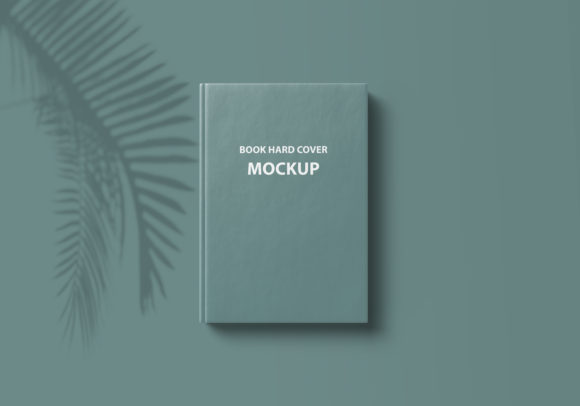
A 3D Book Cover Mockup Design PSD is a layered Photoshop file that simulates a real-world environment where your book cover appears as if it were printed and placed in context. These mockups are typically high-resolution (300 dpi), come in both JPG and PNG formats, and include smart layers—meaning you can easily replace the default image with your own without needing advanced Photoshop skills. Each mockup is delivered without background, allowing for flexible integration into various marketing materials or presentations.
These files are particularly useful because they let you test your design in different scenarios. Whether it’s a luxury hardcover displayed on a wooden table or a paperback resting on a modern shelf, the mockup gives you a clear idea of how your cover will perform visually before committing to print.
Why It Matters for Your Brand and Audience
In today’s digital-first world, first impressions matter. A well-designed book cover mockup helps build credibility and visual appeal for your audience. For entrepreneurs and small business owners, this means being able to present your product professionally during pitches, crowdfunding campaigns, or promotional content. For educators and bloggers, it can serve as a compelling visual aid when discussing publishing or design processes.
- Enhances professionalism: High-quality mockups reflect attention to detail and help establish trust with potential customers or clients.
- Supports decision-making: Seeing your design in context can reveal issues you might not notice in flat images, such as color contrast or text legibility.
- Boosts creativity: Experimenting with different mockup styles can inspire new design ideas or help refine your existing ones.
Strategic Use in Marketing and Communication
When planning a book launch or promotional campaign, using a 3D Book Cover Mockup Design PSD can significantly enhance your communication strategy. Here’s how:
- Build anticipation: Share sneak peeks of your book using mockups on social media or email newsletters to generate interest before the official release.
- Create consistent branding: Incorporate your brand colors, fonts, and imagery into the mockup to ensure a cohesive look across all platforms.
- Showcase versatility: Present your cover in multiple environments to demonstrate its adaptability and broad appeal.
- Support sales efforts: Use mockups in landing pages, Amazon listings, or print ads to give potential buyers a tangible sense of the product.
Consider a scenario where a publisher is launching a new fiction series. By using a 3D book cover mockup, they can create promotional assets that show each book standing proudly on a virtual shelf, reinforcing the idea of a curated collection. This approach not only makes the product feel more premium but also helps position the brand as thoughtful and intentional in its presentation.
Planning Tips for Effective Mockup Integration
To get the most out of your 3D Book Cover Mockup Design PSD, follow these practical steps:
- Define your purpose: Are you showcasing the design to a client? Preparing for a print run? Using it in a marketing campaign? Knowing your goal will guide your choice of mockup style and placement.
- Select the right environment: Choose mockups that reflect your target audience’s lifestyle or the tone of your book. A luxury mockup with elegant lighting and textures may suit a high-end literary work better than a casual coffee-table scene.
- Test variations: Try different angles, lighting conditions, and backgrounds to see which version best highlights your design elements.
- Use smart objects wisely: Take advantage of the smart layer feature to quickly swap out designs and compare them side by side without altering the underlying mockup structure.
For example, a self-published author preparing for a Kickstarter campaign might use a mockup showing their book open on a desk next to a steaming mug of coffee. This visual tells a story of comfort and relatability, subtly influencing backers to imagine themselves enjoying the book in their own home.
Operational Considerations and Risks
While the benefits of using a 3D Book Cover Mockup Design PSD are clear, there are operational factors to consider. First, ensure that you have access to Adobe Photoshop CS4 or later to utilize the smart object functionality. Second, understand that while the mockup provides a realistic simulation, it is still a digital representation. Always validate the final design against real-world printing standards.
Relying on mockups without a clear objective can lead to inefficiencies. If you’re simply using a mockup for the sake of having one, rather than to communicate a specific message or support a strategic initiative, you risk diluting your brand’s visual impact. Instead, treat the mockup as part of a larger content strategy, ensuring it serves a defined purpose in your workflow.
Long-Term Value and Creative Productivity
The long-term value of a 3D Book Cover Mockup Design PSD lies in its reusability and scalability. Once you’ve mastered the process, you can apply the same mockup template to future projects, saving time and maintaining consistency across your portfolio. This is especially beneficial for freelancers and agencies working with multiple clients or for brands managing a catalog of books.
Moreover, integrating mockups into your design review process can improve productivity. Rather than relying solely on abstract feedback like “I don’t know why, but I don’t like it,” stakeholders can see the design in context and provide actionable insights. This reduces back-and-forth and accelerates approval timelines.
Realistic Use Cases Across Industries
Here are some realistic use cases where a 3D Book Cover Mockup Design PSD can add measurable value:
- Publishing houses: Use mockups to preview upcoming titles in editorial meetings or investor presentations.
- Marketing teams: Develop visually compelling assets for book promotions across websites, social media, and advertising platforms.
- Designers: Showcase their work in portfolios to demonstrate understanding of real-world applications and client expectations.
- Entrepreneurs: Include mockups in pitch decks to investors or partners to illustrate the tangible nature of their offerings.
- Bloggers and YouTubers: Integrate mockups into educational content about book design or publishing strategies to make tutorials more engaging.
Decision-Making Guidance for Optimal Results
Using a 3D Book Cover Mockup Design PSD should never be a random act. To make informed decisions, ask yourself the following questions before selecting a mockup:
- Who is my target audience, and what environments do they frequent?
- What message am I trying to convey with this visual?
- Will the mockup complement other branding elements I’m using?
- Am I using the mockup to solve a specific problem or achieve a particular outcome?
By answering these questions, you’ll avoid generic choices and instead select mockups that align with your unique goals. For instance, if your book is targeted at young professionals interested in personal development, a sleek, minimalist mockup placed in a modern workspace setting would likely resonate more than a rustic coffee shop scene.
Maximizing Creativity and Learning Opportunities
One often-overlooked benefit of working with 3D Book Cover Mockup Design PSD is the learning experience it provides. As you experiment with different mockups, you’ll gain insights into composition, lighting, and perspective—skills that can elevate your overall design capabilities. Additionally, mockups can help you understand how subtle changes in typography or imagery affect the perceived value of your product.
Freelancers and hobbyists can leverage this knowledge to expand their skillset and offer more comprehensive services to clients. By demonstrating the ability to present designs in realistic contexts, you position yourself as a more valuable collaborator in the publishing ecosystem.
Conclusion: Aligning Mockups with Intent
At its core, the 3D Book Cover Mockup Design PSD is a tool—not an end in itself. Its true power emerges when it’s used intentionally, with a focus on outcomes and alignment with broader strategic goals. Whether you're refining your design process, building your brand, or enhancing customer experience, a well-chosen mockup can amplify your message and streamline your workflow.
By understanding the nuances of mockup selection, application, and integration, you can transform a simple visual tool into a strategic asset. The key is to remain focused on your purpose and ensure that every mockup you use contributes meaningfully to your overall vision.